

Victoria alada
Victoria pasa a ser una más de las innumerables adolescentes que viven en las calles de Latinoamérica.
Victoria pasa a ser una más de las innumerables adolescentes que viven en las calles de Latinoamérica.
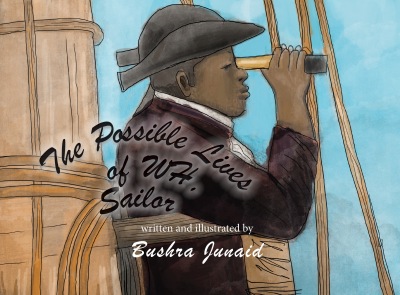
Who was W.H.? The remains of an anonymous 19th-century sailor inspire artist/author Bushra Junaid to reflect on the African experience in the North Atlantic in this powerful examination of a longstanding mystery.
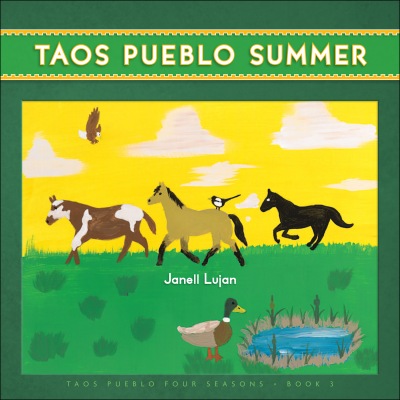
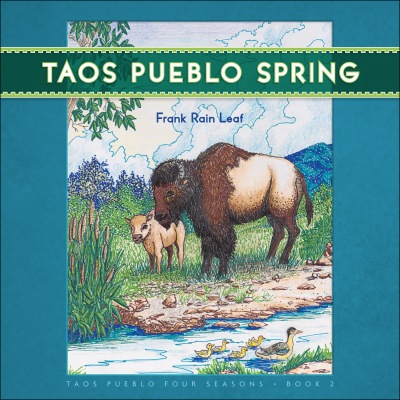
The Summer books depicts life on the Taos Pueblo during the hot months of the year.
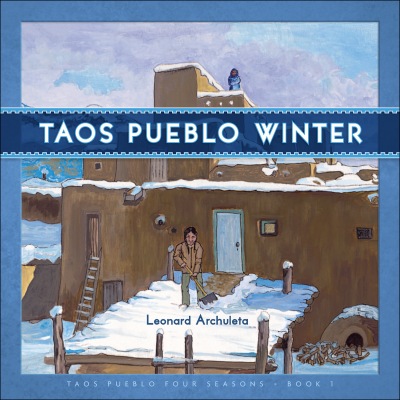
The Winter book depicts life on the Taos Pueblo during the cold months of winter.
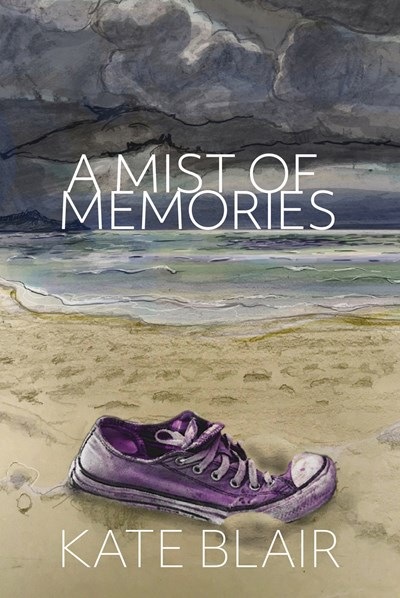
Charlotte is struggling to remember who she was before her accident and Ajay is trying to piece together what happened to a missing friend. Brought together by the whispering mists of Levay Island, Charlotte and Ajay must both face their trauma before the mist lays claim to them both.
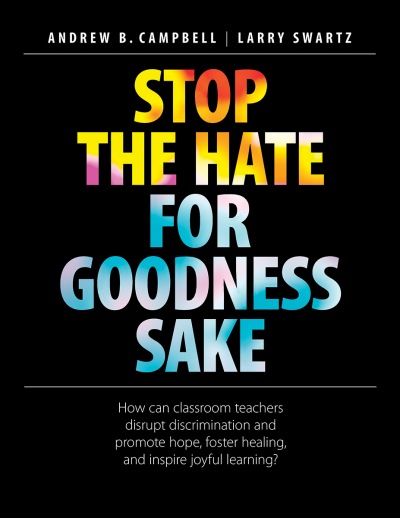
Over 40 practical lessons that guide teachers to confront racism and discrimination, and that lead young people to take action for inclusion and tolerance.
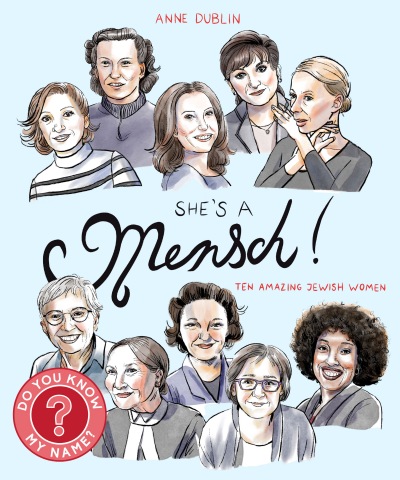
From the poorest neighborhoods in Kenya to the halls of the Canadian Supreme Court, the Jewish women found in these pages have accomplished remarkable feats. Some survived the horrors of the Holocaust while others had more peaceful childhoods, but all of them saw unfairness in their world and decided to do something about it.
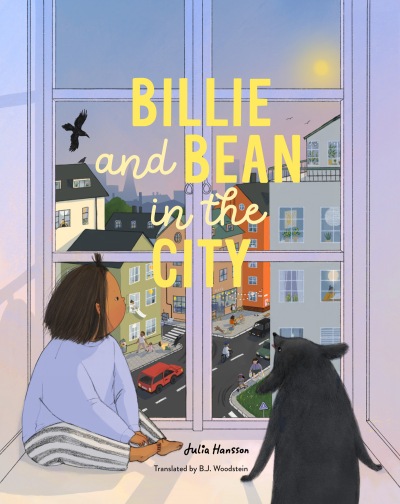
A child walks her dog around the block alone for the first time, navigating their vibrant city neighborhood in this picture book full of color, light and shadow.
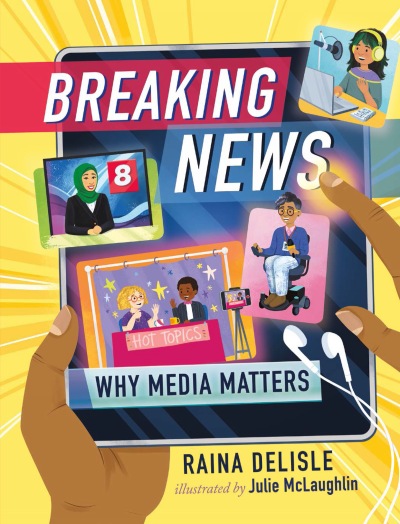
Part of the nonfiction Orca Think series for middle-grade readers, this illustrated book introduces kids to the news media and why it matters.
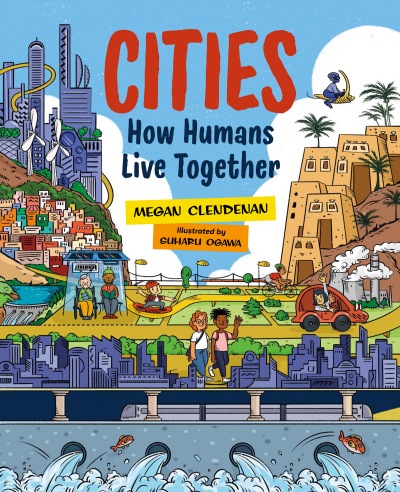
Part of the nonfiction Orca Timeline series for middle-grade readers, this illustrated book examines the past, present and future of cities around the world.
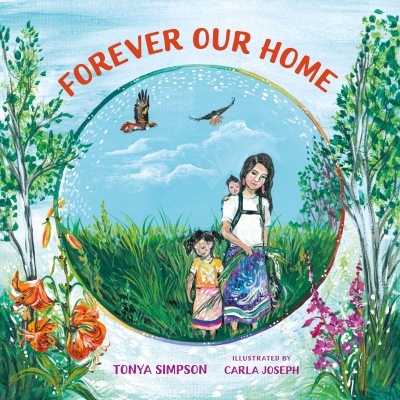
This gentle picture-book lullaby is a celebration of the plants and animals of the Prairies and the Plains and a meditation on the sacred, ancestral connections between Indigenous children and their Traditional Territories.
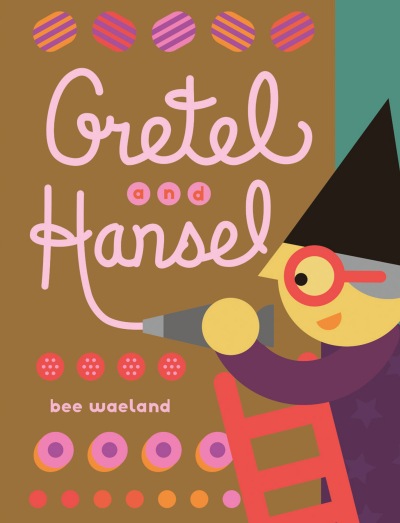
A graphic, wordless retelling of the classic "Hansel and Gretel" with a twist: two lost children take advantage of a kind witch's hospitality.
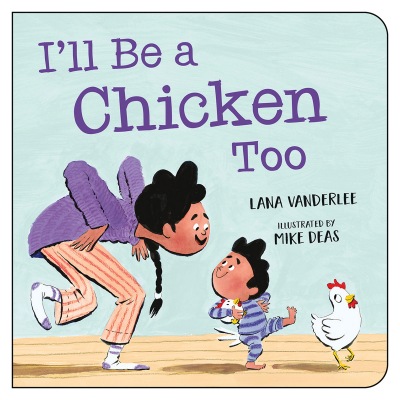
In this lighthearted board book about unconditional love and acceptance, children and their caregivers imagine themselves as a variety of animals in a playful day of dress-up and make-believe.
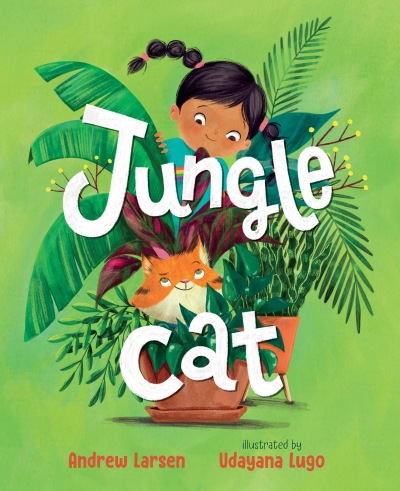
In this playfully illustrated picture book, a group of neighbors come together to help their much-loved apartment cat when his outside adventure goes awry.
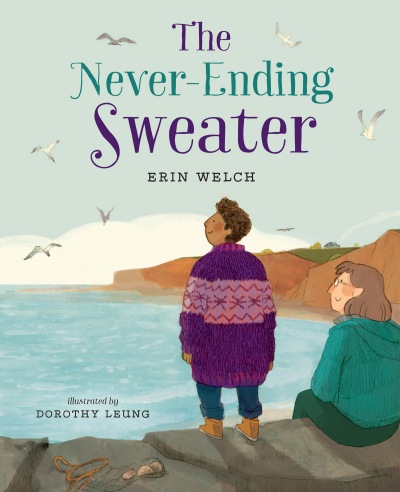
In this illustrated picture book, a young boy asks his grandmother to knit him a sweater, which he wears as he grows up and travels the world, before returning to his seaside village.
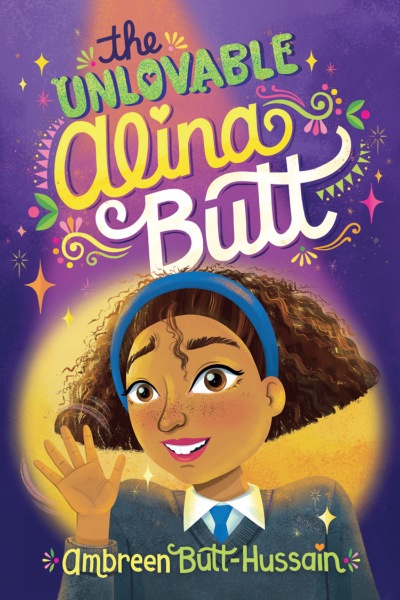
In this novel for middle readers, eleven-year-old Alina has once again moved to a new school, but this time she is determined to reinvent herself.
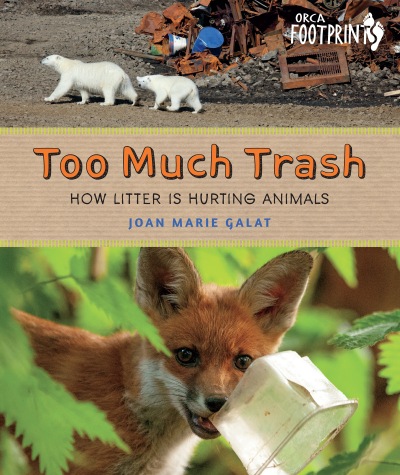
Part of the nonfiction Orca Footprints series for middle-grade readers, this book examines how garbage hurts animals and their habitats. Illustrated with photographs throughout.
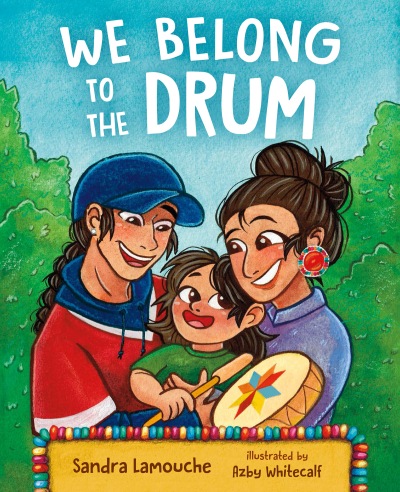
A child at daycare—away from his family for the first time—finds belonging through the music of the powwow drum, in this illustrated picture book.
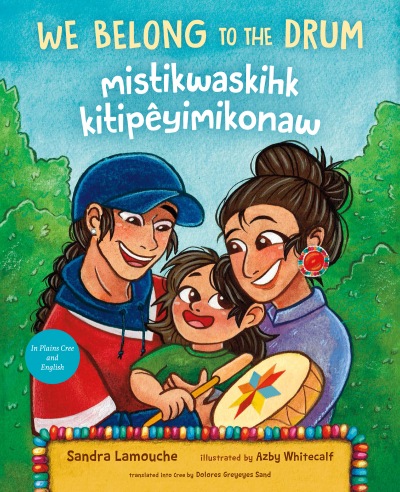
In this dual-language illustrated picture book, a child who's away from his family for the first time at daycare finds belonging through the music of the powwow drum. In English and Plains Cree.
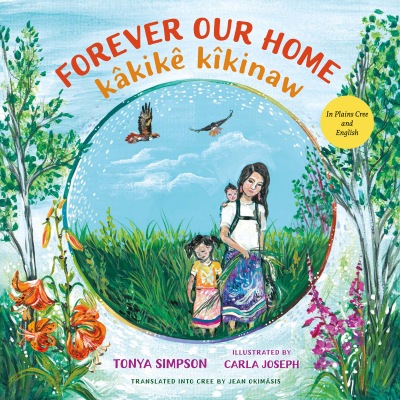
This gentle picture-book lullaby, in both Plains Cree and English, is a celebration of the plants and animals of the Prairies and the Plains and a meditation on the sacred, ancestral connections between Indigenous children and their Traditional Territories.
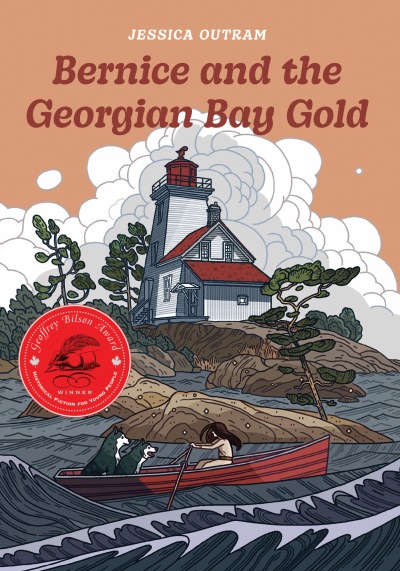
Exuberant, eight-year-old Bernice lives with her Métis family in a lighthouse on Georgian Bay. When she finds a treasure map pointing to gold on a nearby island she is determined to find the treasure.
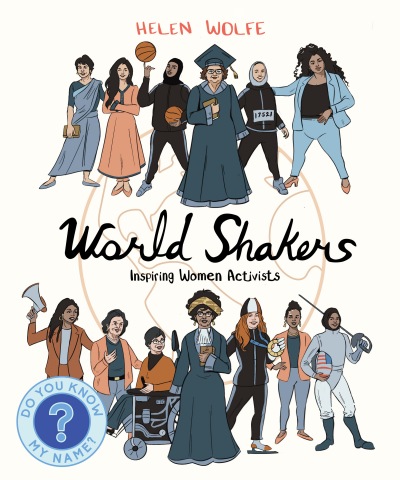
What does it take to change the world? Whether it was the rule that forced Muslim women athletes like Ibtihaj Muhammad to choose between competition and wearing hijab or Indigenous women like Mary Two-Axe Earley to lose their official Indigenous status when they married white men, these women made change happen.